What to Do When a Window Pane Breaks Out of Nowhere
Assess the Damage and Stay Safe
A cracked window pane can be unsettling. Whether it is a hairline fracture that appeared overnight or a full break from a stray branch or a child's football, the first reaction is often panic. But with a calm approach and a few clear steps, you can manage the situation without unnecessary stress or risk. The most important thing is to protect yourself and anyone nearby from broken glass.
Start by keeping everyone away from the affected area. If the crack is small and the glass is still intact, do not touch it. Even a fine crack can give way under pressure. If the pane has shattered or there are loose shards, cordon off the space and keep pets and children clear. Wear thick gloves and sturdy shoes if you need to approach the window. Do not try to remove the broken glass with bare hands. Small splinters can be invisible and cause nasty cuts.
Secure the Opening Temporarily
Once the immediate area is safe, your next job is to stop the weather from getting in and to prevent further damage. A temporary cover will buy you time to arrange a proper repair. For a broken pane, measure the opening and cut a piece of plywood or strong plastic sheeting slightly larger than the frame. Fix it in place with screws or heavy-duty tape from the outside if possible, or from the inside if the window is upstairs or hard to reach. Make sure the cover is tight and will not blow off in the wind.
If the crack is small and the glass is still in place, a clear adhesive film or a patch of strong tape over the crack can hold it together for a day or two. This also stops the crack from spreading due to temperature changes or vibration. But remember, this is only a short-term measure. The window will need professional attention sooner rather than later. For any long-term solution, you will need to consider replacement glass for damaged windows. That phrase sums up what most homeowners eventually need: a new piece of glass that fits the existing frame and matches the original glazing.
Check the Window Hardware
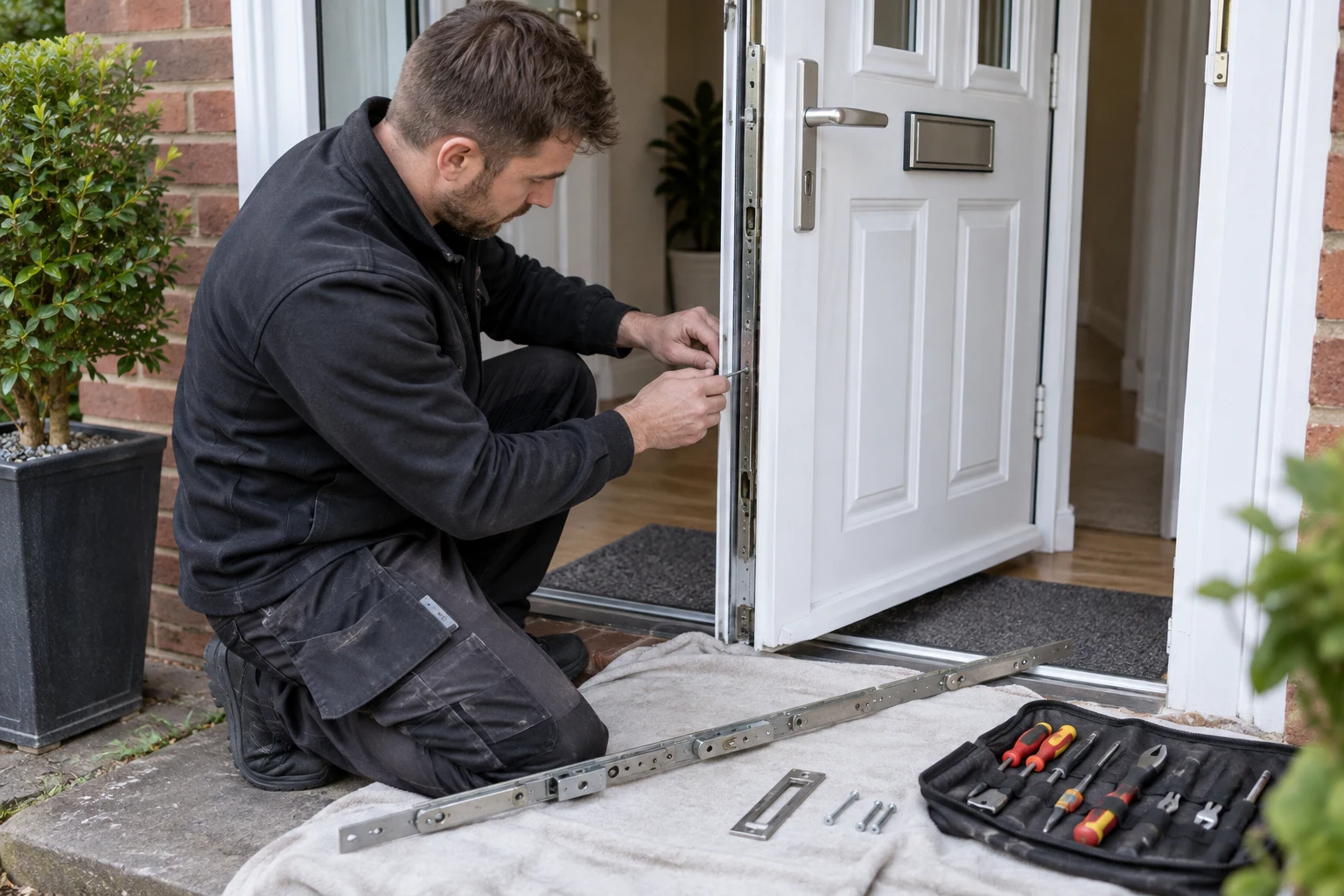
A broken pane often puts extra strain on the window's moving parts. When the glass cracks, the frame can twist slightly, and this can affect how the window opens and closes. It is also common for a sudden impact to damage the hinges or the locking mechanism. This is where the topic of window lock repair becomes relevant. Even if the glass is the main problem, the lock and handle may need attention to ensure the window closes securely once the new glass is fitted.
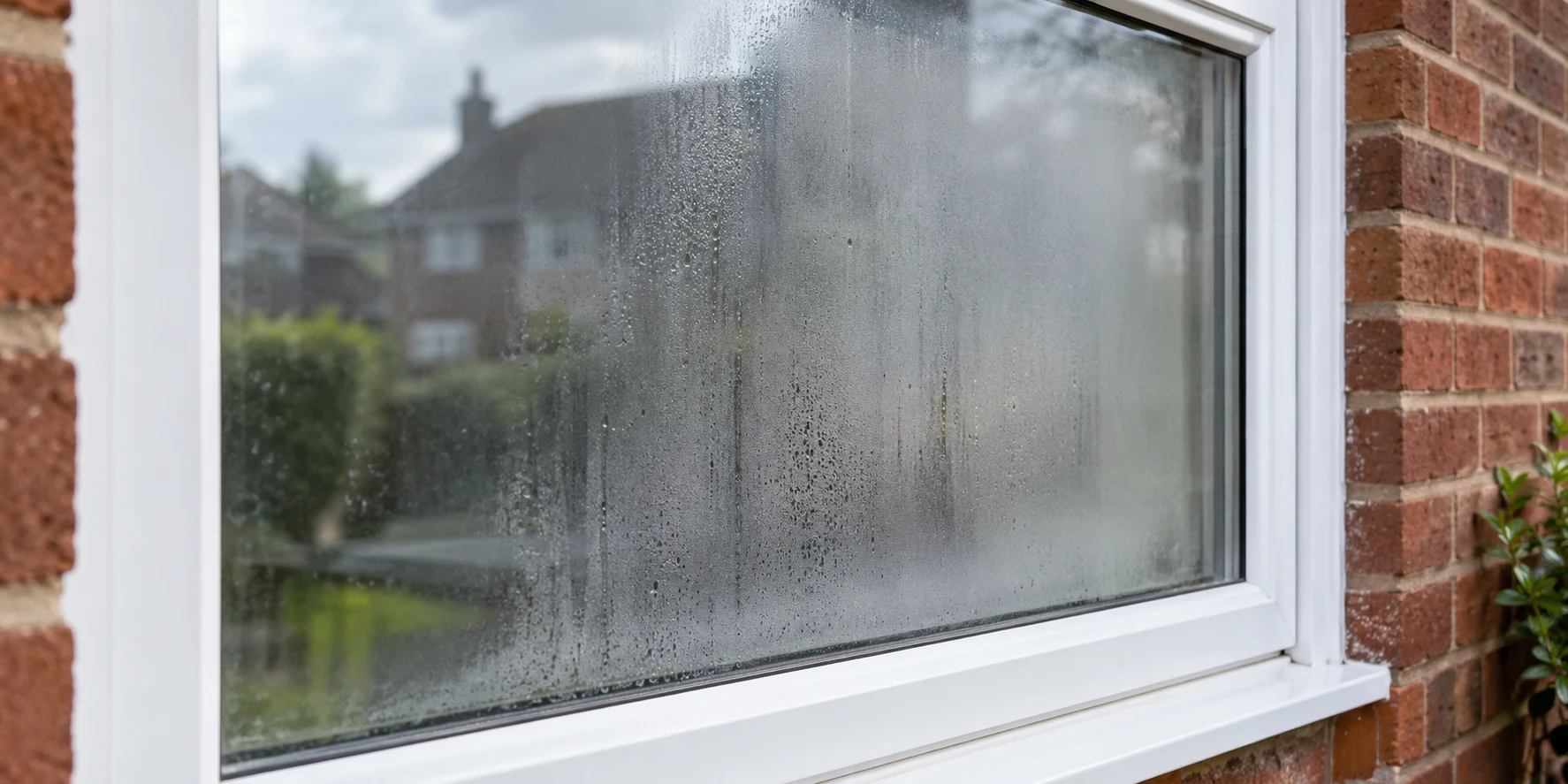
Inspect the window hinge and the window handle for any signs of misalignment or looseness. If the handle feels stiff or the lock does not engage smoothly, do not force it. Forcing a damaged lock can break the mechanism inside the frame. Similarly, check the perimeter seal around the window. A cracked pane often breaks the seal, which can let in draughts and moisture. A damaged seal also reduces the insulation value of double glazing. If you notice condensation between the panes of an insulating glass unit, that is a clear sign the seal has failed and the unit needs replacing.
Decide Between Repair and Replacement
Not every cracked window needs a full new pane. For small chips or cracks in a single layer of glass, a repair kit can sometimes fill the damage with a clear resin that restores strength and clarity. This works best for minor damage away from the edges of the pane. But for larger cracks, shattered panes, or any damage that affects the integrity of double glazing, replacement is the only safe option. A compromised insulating glass unit will not hold its seal, and the energy efficiency of your home will drop.
Toughened glass, which is common in doors and low-level windows, cannot be repaired once it cracks. It breaks into small, blunt pieces for safety, but the whole pane must be replaced. For standard float glass, a clean break can sometimes be cut down and reused, but that is rare in practice. Most of the time, the best route is to order a new pane that matches the original size and thickness. When you order, specify the type of glass you need. Toughened glass is stronger but more expensive, while laminated glass offers extra security and soundproofing.

Get Professional Help
Measuring for a new pane is not as simple as it sounds. The new glass must fit snugly inside the frame without being so tight that it binds when the frame expands in heat. A professional glazier or a locksmith who also handles glazing will take accurate measurements and cut the glass to size. They will also handle the old glass safely and dispose of it. Attempting to remove a broken pane yourself can be dangerous, especially if the glass is under tension or if the frame is old and brittle.
When you call a professional, ask about the type of glazing they supply. For double glazing, they will need to know the thickness of the unit and whether it has a gas fill between the panes. For single glazing, they will measure the rebate depth and the glass size. Many locksmiths now offer glazing services alongside lock and hinge repairs, which can save you time by handling the whole job in one visit. If the window lock repair is needed as well, a combined service can sort both issues in a single appointment.
Prevent Future Breakage
Once the new glass is fitted, take a few steps to reduce the chance of the same thing happening again. Check that the window frame is not warped or rotten. A frame that does not sit square puts uneven pressure on the glass and can cause cracks over time. Make sure the perimeter seal is in good condition and that the window hinge is properly adjusted so the sash closes without forcing the glass. If the window is in a high-traffic area or near a driveway, consider upgrading to toughened glass or a stronger glazing unit.
Regular maintenance also helps. Clean the window tracks and lubricate the moving parts once or twice a year. A window that opens and closes smoothly is less likely to suffer impact damage from slamming or jamming. And if you notice a small crack, do not ignore it. A small crack can grow quickly with temperature changes or a gust of wind. Addressing it early can save you from a full break and the need for emergency glazing. The same principle applies to the lock and handle: a loose handle or a sticking lock should be fixed before it causes damage to the frame or the glass.
Final Checks
After the replacement glass is installed, test the window operation. Open and close it a few times to make sure the sash moves freely and the lock engages properly. Check the seal around the new pane for any gaps. A good seal stops draughts and prevents moisture from getting into the frame. If the window is part of a double-glazed unit, wait a few days and watch for any condensation forming between the panes. If it does, the seal has failed and the unit needs to be replaced again under warranty.
For most homeowners, a cracked window is a manageable problem. The steps are straightforward: secure the area, cover the opening, assess the damage, and call a professional for the glass and the lock if needed. The key is to act quickly but not to rush. Taking the time to choose the right glass and get the repair done properly will save you from repeat problems. And remember, if you are unsure about any part of the process, a qualified locksmith or glazier can guide you through it. They see broken windows every day and know exactly how to handle them.